
Regulated Hiring Environment: what is it and what is it for?
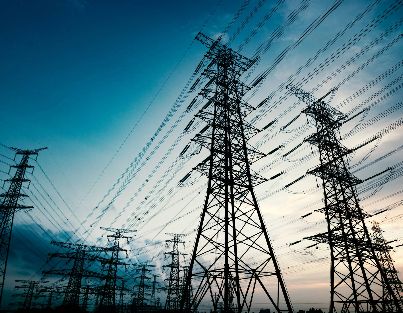
The electricity trade occurs in distinct contracting environments — the Free Contracting Environment (ACL) and the Regulated Contracting Environment (ACR). The operations are different, but both are under the responsibility of the Electricity Commercialization Chamber (CCEE).
This entity manages and records the contracts signed by consumers, distributors, marketers and generators, in addition to ensuring energy efficiency.
In this article, you will find more relevant information about the ACR — concept, rules and characteristics. In addition, you will understand the relationship of the Regulated Contracting Environment with the Free Energy Market. Stay tuned!
What is the Regulated Contracting Environment?
The Regulated Contracting Environment is a negotiation modality that allows distributors to purchase electricity in auctions at a price defined by the National Electric Energy Agency (ANEEL).
They resell the purchased energy to the consumer market that is within their operating region. The tariffs are regulated by ANEEL (National Electric Energy Agency – Regulatory body) and comprise: the costs of purchase, transmission and distribution of energy, as well as taxes. It is important to note that tariff values are adjusted every year and cannot be negotiated.
How does the Regulated Contracting Environment work?
This is a market segment that involves contracts between distribution agents and sellers — who only negotiate after the auctions. There are specific rules for electricity commercialization, which are described in the Decree No. 5.163/2004.
ANEEL carries out the commercialization convention, defines the rules and commercialization procedures.
What are the main rules of the ACR?
It is mandatory to have electricity commercialization contracts registered, reported, approved and authorized by ANEEL.
Marketers can participate in the auctions that are conducted by the Electricity Commercialization Chamber (CCEE).
The National Energy Policy Council (CNPE) ensures the balance of the tariffs and the product prices.
Electricity commercialization in the Regulated Contracting Environment (ACR) requires sellers to have backing to fully fulfill the contracts.
Consumers who do not meet the conditions of distribution agents must provide guarantees that they will meet their loads through contracts recognized by CCEE or through self-generation.
What are the characteristics of the Regulated Contracting Environment?
The ACR is known as a regulated or captive market by most professionals. Distributors sell energy to the consumers who are called captive — because they can only purchase energy from their local distributor. See below for other relevant aspects.
Regulatory entities
In the Regulated Contracting Environment, regulation is carried out by the entities designated in current legislation and by official government bodies. Companies operating in the sector are called concessionaires, and are required to supply electricity to certain localities. Here, direct negotiations with the consumer public are not carried out.
Compliance with deadlines
Sellers are required to meet the deadlines defined in the contracts, and failure to meet these dates may result in penalties. Generators must assess their capacity to avoid losses and maintain the original contract conditions. The involved parties have the duty to assume their obligations.
Contract type
The contractual instrument used in the Regulated Contracting Environment is the Electricity Commercialization Contract in the Regulated Environment (CCEAR), which is regulated by ANEEL. It is worth noting that prices are set in auctions and, on certain occasions, fluctuate according to the current tariff flag.
What is the relationship between the ACR and the Free Energy Market?
The relationship between them is the commercialization of electricity, but there are differences between the two environments and their rules. The Free Contracting Environment (ACL) is another market segment, in which electricity is negotiated directly between generators, marketers and consumers. In this case, deadlines, prices and volumes are freely negotiated among the agents.
What are the main numbers and facts about CCEE?
According to the updated news, CCEE ended 2021 with 12,240 agents. This means it had a 14% increase compared to the previous period, and a significant rise in the number of consumers. There was also growth in marketers, generators and energy distributors. In the Free Energy Market, 5,563 new consumer units were registered.
Now you know what the Regulated Contracting Environment is and what it is for? If you still have questions about the topic, know that Serena is the largest producer of renewable energy in the country and is ready to help you better understand the subject. The company is present throughout Brazil and has excellent operational capacity, in addition to helping its customers reduce costs and control the budget.
Request your quote and discover the benefits of investing in renewable energy!

Redação Serena Energia
We are part of Serena, one of the country's leading generators and traders of clean energy, with 15 years of experience connecting people and businesses to sustainable and competitive solutions. Here on the blog, you'll find content on the electricity sector, Free Energy Market, sustainability, and energy transition, with clear explanations to support decisions in your daily life, whether at home or in your business.
Editor
Leave a comment
Your email address will not be published. Required fields are marked with *