
Decarbonization: what it is, why it matters, and how to apply it in your company
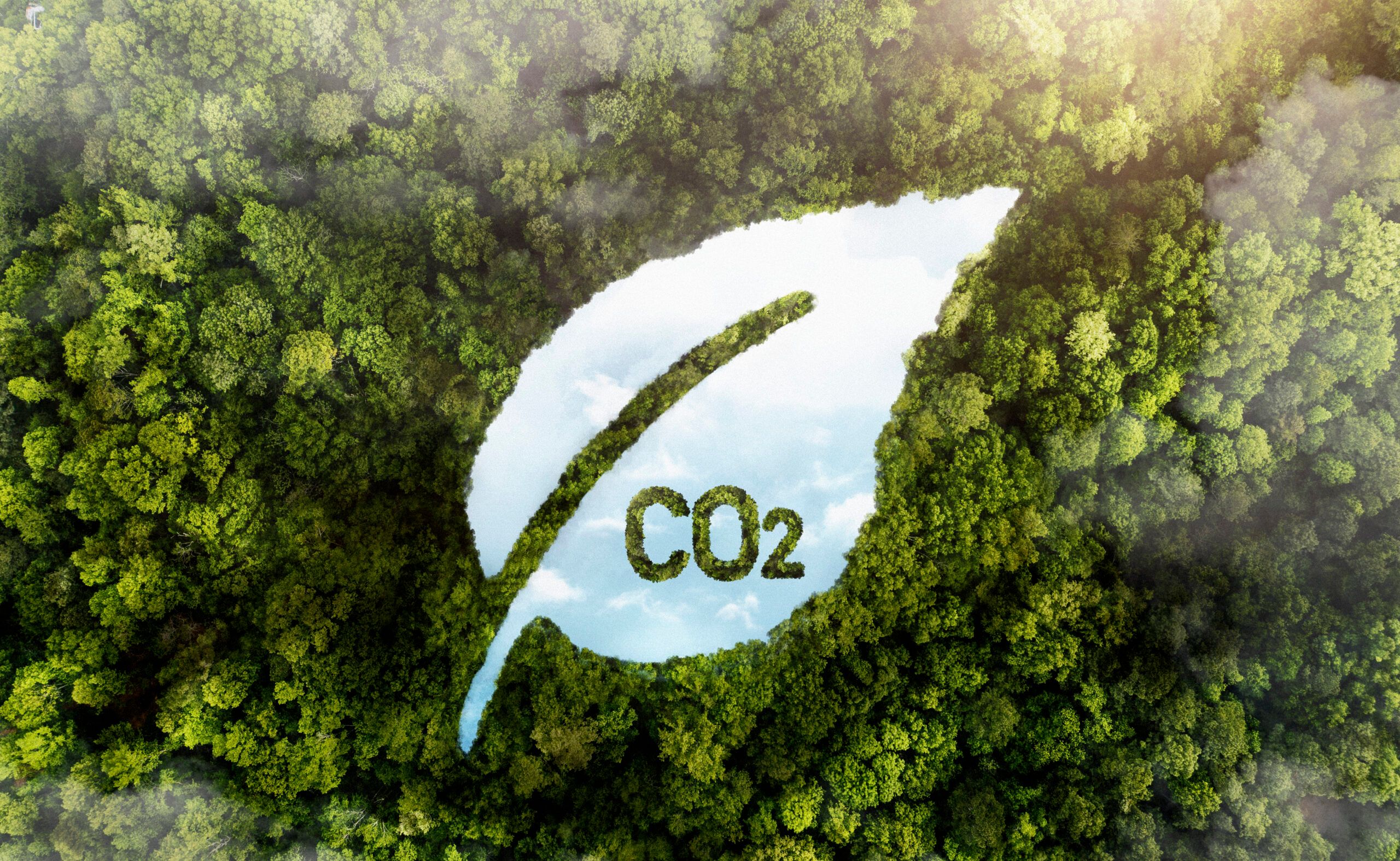
The climate crisis demands rapid responses from the productive sector. Companies that fail to reduce their greenhouse gas emissions will face regulatory barriers, loss of competitiveness, and difficulties in accessing increasingly demanding markets. Decarbonization emerges as a central axis of the energy transition, combining environmental gains with economic advantages, strengthened ESG reputation, and facilitated access to financing and new business opportunities.
Before diving into practical concepts and strategies, it is essential to understand that any decarbonization action must be anchored in clear and measurable goals. To this end, structuring a decarbonization plan is the first strategic step. This document maps the company's emissions, defines reduction targets, and establishes deadlines to achieve them, ensuring transparency and credibility with stakeholders.
In this article, you will understand the concept of decarbonization, discover why it has become strategic for companies of all sizes, and learn the main practical actions to apply it on a daily basis. We will also explore how solutions such as the Free Energy Market, carbon credit certificates, and fleet electrification can accelerate your journey toward climate neutrality.
What is decarbonization?
Decarbonization is the process of reducing and eliminating emissions of carbon dioxide (CO₂) and other greenhouse gases (GHG) originating from human activities. This happens through the replacement of fossil energy sources—such as coal, oil, and natural gas—with renewable alternatives, in addition to implementing improvements in energy efficiency and process management. Decarbonization is not just about an isolated action, but rather an integrated strategy that seeks climate neutrality in the medium and long term.
This concept is directly linked to the energy transition, which involves transforming the Brazilian energy matrix or company toward cleaner and more sustainable sources. While the energy transition concerns changing the type of energy used, decarbonization is the ultimate goal: reducing the carbon footprint in a measurable and verifiable way.
Decarbonization x energy transition
Although often used together, decarbonization and energy transition have distinct focuses. The energy transition enables decarbonization by diversifying the energy matrix, promoting the electrification of processes, and encouraging the use of renewable sources.
It is the change in how we produce and consume energy that makes it possible to achieve emission reduction targets. Therefore, investing in renewable energy sources are central strategies for this transformation.
Why does decarbonization matter for companies?
The environmental benefits of decarbonization are evident: fewer GHG emissions mean a lower contribution to global warming and positive impacts on human health and ecosystems. But the business benefits go far beyond environmental responsibility. Companies that adopt decarbonization strategies achieve greater operational efficiency, reduce energy costs, and become more competitive in markets that value ESG practices.
Investors, customers, and regulatory bodies increasingly expect companies to show measurable progress in emission reductions. Demonstrating a commitment to climate goals strengthens the institutional image, facilitates access to green credit lines, and opens doors for strategic partnerships.
Main decarbonization strategies
The transition to renewable sources is one of the most effective strategies to decarbonize business operations. Solar, wind, and bioenergy drastically reduce emissions associated with electricity consumption, while offering cost predictability and lower exposure to fossil fuel price volatility.
Another important front is improving energy efficiency: upgrading equipment, implementing smart energy management systems, and optimizing industrial processes reduce waste and emissions.
Investing in partnerships with suppliers committed to sustainability also amplifies the impact of decarbonization. Actions in the supply chain generate indirect emission reductions and strengthen the business's ESG strategy.
1. Fleet electrification
Electrifying the vehicle fleet and thermal processes is a measure increasingly adopted by Brazilian companies seeking to reduce their carbon footprint. The transition to electric vehicles has been driven mainly by corporate decarbonization targets, which require concrete actions to decrease direct emissions. Electrification significantly reduces fossil fuel costs, eliminates tailpipe emissions, and reinforces the company's commitment to innovation and sustainability.
2. Free Energy Market
The Free Energy Market is a strategic ally for companies wishing to contract renewable energy in a personalized way. In this environment, it is possible to choose energy suppliers from clean sources and negotiate tailor-made contracts aligned with the business's consumption profile and seasonality.
In addition to enabling decarbonization, the Free Energy Market offers financial predictability and discounts on the distribution tariff for incentivized energy. This model strengthens ESG goals and positions the company at a differentiated competitive level.
3. Carbon credit certificates
Neutralizing residual emissions is another effective way to accelerate business decarbonization. Carbon credit certificates act as vouchers that can be traded among countries, institutions, and companies wishing to neutralize CO₂ emissions from their activities. Each credit represents the verified reduction of one ton of CO₂ or its equivalent in other greenhouse gases.
Companies that cannot completely eliminate their emissions can purchase these credits to offset their carbon footprint and support projects that promote sustainability.
These certificates are issued after rigorous audits that guarantee the additionality and truthfulness of the reductions. By buying carbon credits, your company contributes to reforestation, renewable energy, and environmental conservation projects, in addition to strengthening its decarbonization strategy.
How Serena can help you in this process
Serena offers complete solutions for companies wanting to advance on their decarbonization journey with a positive impact on both finances and business strategy.
Through the Free Energy Market, Serena enables access to renewable sources with customized long-term contracts that consider your operation's consumption profile and seasonality. This approach ensures cost reduction, predictability, and direct alignment with ESG goals.
Furthermore, Serena provides I-REC (International Renewable Energy Certificates) certificates and carbon credits for companies looking to neutralize their residual emissions in a reliable and verified way. I-REC certificates track energy from its source to the final customer, offsetting CO₂ emissions from electrical energy consumption.
Want to discover how much your company can save and reduce carbon emissions? Do an energy bill savings simulation right now and transform sustainability into financial results.

Redação Serena Energia
We are part of Serena, one of the country's leading generators and traders of clean energy, with 15 years of experience connecting people and businesses to sustainable and competitive solutions. Here on the blog, you'll find content on the electricity sector, Free Energy Market, sustainability, and energy transition, with clear explanations to support decisions in your daily life, whether at home or in your business.
Editor
Leave a comment
Your email address will not be published. Required fields are marked with *