
Discover what PCH and CGH are: similarities and differences
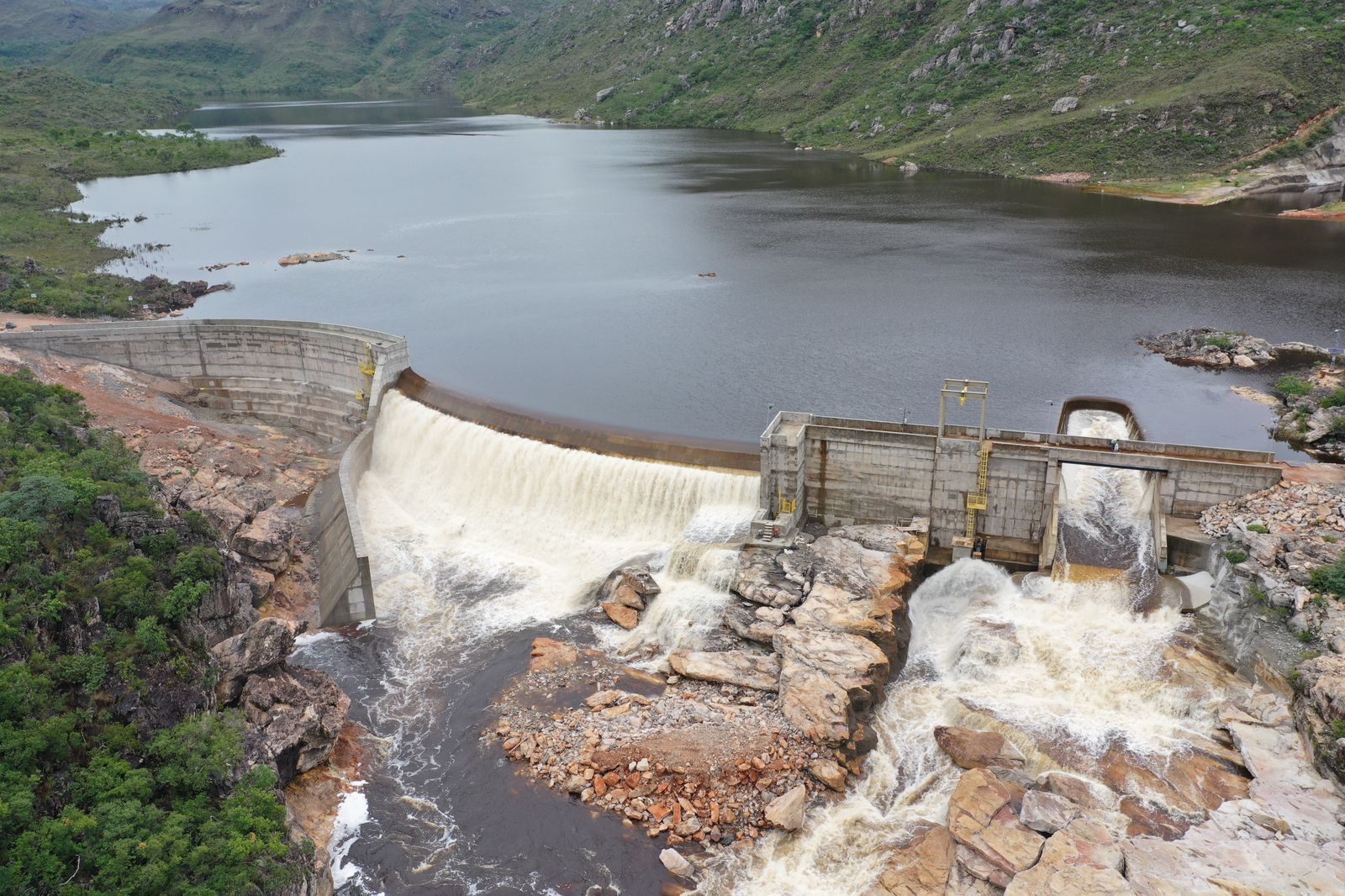
SHP and HPP: what they are, how they work, and their advantages
Small Hydropower Plants (SHPs) and Hydropower Generating Stations (HGSs) represent efficient and sustainable solutions for generating electricity in Brazil. These small and medium-sized plants play a strategic role in diversifying the Brazilian energy matrix, offering decentralized production alternatives with lower environmental impact.
In this comprehensive guide, you will discover everything about SHPs and HGSs, from their technical definitions to practical aspects such as implementation costs, construction timelines, and benefits for investors. We will also present updated data on the share of these plants in the national electrical system.
What is an SHP?
Small Hydropower Plants (SHPs) are hydroelectric power plants of relatively small size and capacity. The classification of these plants was established by ANEEL (National Electric Energy Agency) in 1997, and must follow the characteristics below:
Installed capacity between 5 MW and 30 MW;
Reservoir area of up to 13 km², excluding the regular riverbed channel.
Due to their reduced physical footprint, SHPs have lower construction costs and can be implemented in locations close to consumer centers, making them a great option to complement the energy matrix.
How does an SHP work?
For an SHP to work, a dam must be built to impound a river's water. The operation of an SHP follows the basic principle of converting potential energy into electrical energy. The process happens in stages:
Capture and Impoundment: a dam impounds the river water, creating a reservoir that guarantees adequate volume and pressure for generation;
Turbine Movement: when the gates open, the water flows down the penstock and hits the turbines. The force of the water moves the turbine blades, generating rotational mechanical energy;
Electric Power Generation: the movement of the turbines drives the generator, which converts mechanical energy into electrical energy through electromagnetic induction;
Transformation and Distribution: the energy produced passes through transformers that step up its voltage to levels suitable for transmission. Afterward, the energy travels along transmission lines until it reaches final consumers.
An important aspect of the process is that all the water used returns to the riverbed without changes to its quality, preserving the water resource for other uses.
What are the advantages of SHPs for the energy matrix?
SHPs offer significant benefits:
Proximity to consumer centers: they reduce transmission losses and increase supply reliability;
Lower environmental impact: reduced reservoirs minimize flooding and population displacement;
Regional development: they generate direct and indirect jobs during construction and operation;
Competitive cost: simpler structures result in lower investments compared to large hydroelectric plants;
Renewable and clean energy: they do not emit greenhouse gases during operation.
What is an HGS?
Hydropower Generating Stations (HGSs) are hydroelectric plants even smaller than SHPs, with a capacity equal to or less than 5 MW.
Operating similarly to SHPs, HGSs have quite simplified construction works. Due to their small size, they enjoy legal incentives and sector tariff discounts.
What are the differences between SHPs and HGSs?
Now that you know what SHPs and HGSs are, it is time to understand a bit more about the differences between them. Besides capacity, there are a few points to consider.
While an SHP requires an inventory study (which analyzes the hydraulic potential of the chosen source) and a project with technical details for ANEEL's analysis and approval, an HGS, due to its small size, is exempt from fulfilling the two steps above.
To start construction, it is only necessary to notify ANEEL of the intention to implement the plant and obtain environmental licenses.
Since the process of creating an HGS is simplified, its implementation timeframe takes up to two years, whereas SHPs can take up to five years.
Another advantage of investing in HGSs is the cost, which is lower due to their reduced structure and lower process complexity. To simplify, we have compiled the differences in a table:
Aspect | SHP | HGS |
Installed capacity | 5 MW to 30 MW | Up to 5 MW |
Reservoir area | Up to 13 km² | Varies by project, usually smaller than an SHP. Example: many HGSs have reservoirs under 1 km², while an SHP can reach 13 km². |
Inventory study | Mandatory | Waived |
ANEEL technical project | Required | Simplified |
Implementation deadline | 3 to 5 years | 1 to 2 years |
Estimated average investment | R$ 10 to 15 million per installed MW (market average example) | R$ 5 to 8 million per installed MW (average estimate, may vary by location and technology) |
Tariff incentives | TUST/TUSD discounts | Higher discounts |
Why are SHPs and HGSs important for the energy matrix?
These small hydroelectric plants account for approximately 4% of the electricity generated in Brazil. Currently, we have 546 SHPs and 744 HGSs operating in the country, according to data from ANEEL.
But the numbers do not tell the whole story. SHPs and HGSs are strategic because:
Environmental and social benefits
Being smaller, SHPs and HGSs flood reduced areas and cause little impact on nature. They are aligned with ESG practices and criteria, generate local jobs, and contribute to corporate and family sustainability.
Renewable energy and sustainable cycle
The water returns to the river and can be reused, generating energy in a sustainable and renewable way, unlike fossil fuels which pollute and run out.
Free Energy Market
SHPs and HGSs receive tariff discounts, thanks to their classification as an incentivized source, and this benefit is passed on to the consumer in the free energy market.
How to benefit from the energy generated in SHPs?
Medium and large companies can significantly reduce their energy costs by migrating to the free market and contracting electricity from renewable sources, such as SHPs and HGSs. Through long-term contracts, it is possible to secure more predictable prices, protecting the budget against market fluctuations and bringing greater stability to financial planning.
In addition to optimizing costs, this choice contributes to a cleaner and more sustainable energy matrix, which is an increasingly valued differentiator by customers, investors, and society. For companies, migrating to the free market reinforces their corporate image and demonstrates a concrete commitment to good ESG practices, adding institutional and environmental value.
Do you see how, besides helping the planet, this decision is also good for your wallet? With a diversified renewable energy generation portfolio—including SHPs like the Indaiás Complex in Mato Grosso do Sul, and the Serra das Agulhas and Pipoca SHPs in Minas Gerais—, Serena connects you directly to the best clean energy solutions.
How about discovering your bill's savings potential? Run a simulation right now!
See also:

Redação Serena Energia
We are part of Serena, one of the country's leading generators and traders of clean energy, with 15 years of experience connecting people and businesses to sustainable and competitive solutions. Here on the blog, you'll find content on the electricity sector, Free Energy Market, sustainability, and energy transition, with clear explanations to support decisions in your daily life, whether at home or in your business.
Editor
Leave a comment
Your email address will not be published. Required fields are marked with *