
Why is clean energy growing so much in the Northeast?
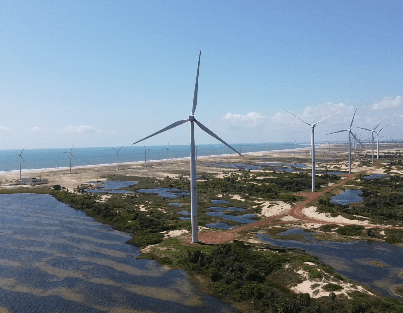
Clean energy in the Northeast is growing at an accelerated pace because the region combines very favorable natural conditions, technological advances, and an increasingly greater need to diversify Brazil’s electricity matrix.
For companies, this movement has a practical side: it increases the supply of renewable energy, opens space for new procurement strategies, and strengthens sustainability goals with better‑grounded decisions.
In this content, you will understand what clean energy is, which sources are growing the most in the Northeast, why the region sets generation records, which bottlenecks still limit transmission, and what to watch when evaluating clean energy in the Free Market.
What is clean energy?
Clean energy is electricity generated with low or no greenhouse‑gas emissions during the generation stage, especially when it comes from renewable sources such as wind and solar.
Is clean energy the same as renewable energy?
Not always. In everyday use, the terms appear as synonyms, but “renewable” describes the origin of the resource (sun, wind, water, biomass), while “clean” emphasizes the environmental and climate impact of the process. For purchasing decisions, it’s worth looking at the source, the contract, and how the company verifies the origin; a common path for this is understanding traceability certificates, such as the I‑REC.
What are the main types of clean energy?
Clean energy in the Northeast relies mainly on wind and solar, but other sources also help compose a more balanced matrix.
Wind energy
The wind energy uses wind as raw material: the blades installed on turbines move with the force of the wind and convert mechanical energy into electrical energy.
In the Northeast, strong and constant winds in several areas favor generation throughout the year and help explain the advance of wind farms. On specific days, wind generation has equaled practically the entire regional demand, with records such as 11,094 MW average (99.9% of demand) and 11,399 MW average (102% of demand), released by ABEEólica based on ONS data.
Hydraulic energy
The hydraulic energy is produced from the movement of water: the force of water flow moves turbines and, from that, generates electricity.
It remains relevant in Brazil, but depends on rainfall regimes and reservoirs. Therefore, the expansion of wind and solar in the Northeast reinforces matrix diversification and reduces dependence on a single source during drought periods.
Solar energy
The solar energy generates electricity when sunlight transfers energy to solar panels, in a process that does not involve burning fossil fuels.
In the Northeast, solar incidence tends to be high throughout the year, which favors the productivity of photovoltaic systems and improves the viability of well‑sized projects, whether in power plants or in applications for companies.
Biofuels and biomass
Biofuels and biomass use organic matter as input, highlighting the use of waste and reduction of wastefulness.
In the Northeast context, they usually appear as a complementary source in specific chains and as part of a diversification strategy, a topic addressed in general overviews of renewables and regional development.
Why has the use of clean energy grown so much in the Northeast?
Clean energy in the Northeast is growing because the region has two clear natural advantages: abundant sun and strong, constant winds. Added to that are the advances and cost reductions of wind and solar technologies, which have enabled larger projects and accelerated expansion, while Brazil seeks alternatives to avoid relying solely on hydro generation.
Natural conditions: sun and constant winds
The Northeast is known for long periods of sunshine, which favors solar projects and increases the attractiveness of this source in the region. In addition, the constancy of winds in several areas helps explain the strength of wind power, including its seasonality.
Cost decline and sector maturation
The expansion of wind and solar projects gained speed with technological progress and the maturation of the deployment and operation chain. This improves efficiency, increases supply, and sustains the growth trend of clean energy in the Northeast.
Generation records (proof of capacity)
Beyond potential, there is concrete performance evidence: daily average wind generation records equivalent to 99.9% of regional demand (11,094 MW average) and cases that reached 102% (11,399 MW average) show the strength the region has already achieved under specific conditions.
This does not mean the Northeast meets 100% of demand with wind energy every day, but it proves installed capacity and operational performance at peak moments — and reinforces why clean energy in the Northeast has become a central topic in sector planning.
Water crisis and need for diversification
With the water crisis and greater climate variability, the electric system needs to reduce exclusive reliance on water to ensure energy security. In this scenario, wind and solar gain prominence.
What still limits renewable energy in the Northeast?
Even with strong growth, there are challenges that still need to be addressed for clean energy in the Northeast to gain efficiency and scale more consistently.
Transmission and evacuation
One of the best‑known bottlenecks is infrastructure: the transmission grid does not always manage to evacuate all generated energy to other consumer centers. This is especially relevant for companies, because it influences predictability, risk, and procurement strategy in a system where generation and consumption are not always in the same region.
Generation restrictions and connection timelines
At certain periods, generation must be curtailed due to grid restrictions, even when wind or sun are available. For companies, this shows why connection, transmission capacity, and system planning are critical points for the advancement of clean energy in the Northeast.
Complementarity and storage
The combination of wind and solar already brings benefits, but solutions such as storage (batteries) and demand management tend to gain space to increase flexibility. This theme frequently appears in renewable overviews and their next technological steps.
How to contract or invest in clean energy in the Northeast?
For companies, the point is not only to understand the growth, but also to know how it can reflect in energy strategy, cost, and sustainability goals.
1) Understand if the Free Market makes sense for your company
The Free Energy Market is the environment where eligible consumers can choose suppliers and negotiate terms, including contracting energy from renewable sources.
To understand rules, timelines, and impacts, it is worth consulting up‑to‑date material and, mainly, aligning the topic with your classification (voltage, demand, consumption profile, and internal governance).
2) Compare proposals with a focus on clean energy (not just price)
When seeking clean energy in the Northeast, compare:
Source and generation profile: wind, solar, hydro, biomass; seasonality and alignment with your consumption;
Price structure: indices, term, volumes, flexibility, and adjustment rules.
Risk and support: migration, measurement, billing, contract management, and purchasing strategy;
Sustainability: how the renewable origin is verified and how it fits into audits and ESG targets.
3) Run the simulation and bring numbers
After understanding why clean energy is growing so much in the Northeast and what bottlenecks still exist, the next step is to evaluate scenarios for your consumption profile.
Now that you know why clean energy in the Northeast is expanding, take the next step calmly: deepen your understanding of contracting, risks, and comparison criteria before making any decision.
If your company is starting to map alternatives to reduce costs and gain predictability, this is a great moment to organize basic information and simulate the gains.
Visit our website and simulate your electricity bill discount using clean energy right now!

Redação Serena Energia
We are part of Serena, one of the country's leading generators and traders of clean energy, with 15 years of experience connecting people and businesses to sustainable and competitive solutions. Here on the blog, you'll find content on the electricity sector, Free Energy Market, sustainability, and energy transition, with clear explanations to support decisions in your daily life, whether at home or in your business.
Editor
Leave a comment
Your email address will not be published. Required fields are marked with *