
Energy management: how to achieve efficiency and savings
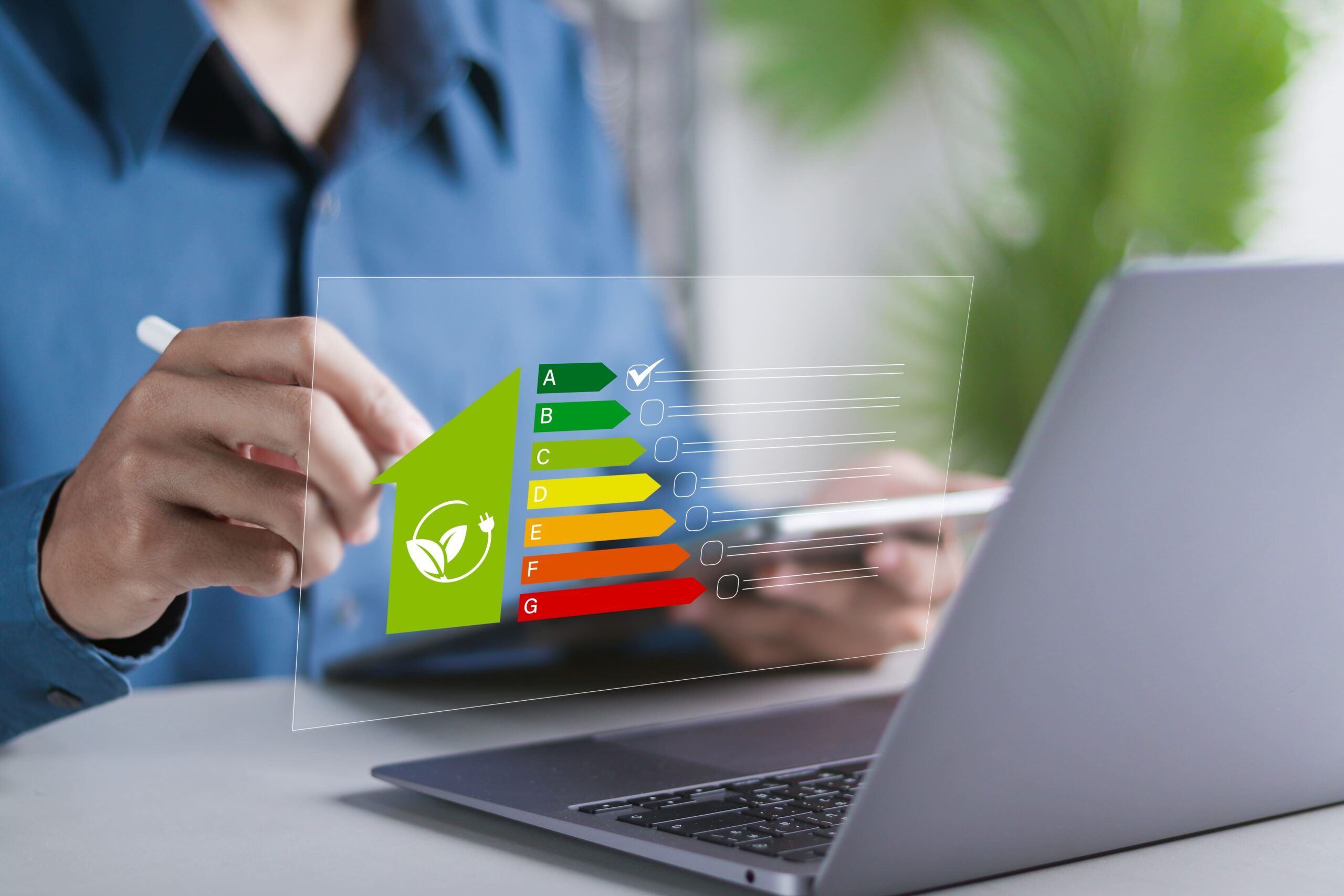
In a scenario of volatile tariffs, pressure for ESG goals, and the need to maintain healthy margins, energy management has become a strategic agenda for companies looking to cut waste without compromising operations. More than just reducing costs, it involves monitoring consumption, identifying deviations, setting goals, and making data-driven decisions to turn energy into a competitive advantage.
In this content, you will understand what energy management is, the difference between energy management and energy efficiency, which pillars sustain a consistent program, and how to apply these practices to reduce costs and gain predictability. Check it out!
What is energy management?
Energy management is a set of practices, processes, and technologies applied to monitor, control, and optimize a company's energy consumption. Its main objective is to ensure that energy is used intelligently and efficiently, reducing waste and unnecessary costs while contributing to sustainability goals.
Many people confuse energy management with energy efficiency, but there is an important difference. While energy efficiency focuses on reducing consumption through more efficient equipment and processes, energy management encompasses a broader vision: it involves strategic planning, data analysis, indicator-based decision-making, and the implementation of policies that transform how the company consumes energy.
The main objectives of energy management include strict consumption control, the reduction of operational costs, compliance with environmental rules and regulations, as well as the strengthening of the corporate image with sustainable practices that meet the expectations of stakeholders and consumers.
Pillars of energy management
For an energy management program to be effective, it is essential to structure it on solid pillars that guarantee sustainable results.
Monitoring and consumption analysis: without reliable data, any strategy loses strength. Measurement, telemetry, and reports help identify patterns, peaks, waste, and opportunities;
Action planning and goal setting: after understanding the consumption profile, define clear objectives (e.g., reduce losses, adjust demand, improve power factor, lower cost per unit produced) and formalize schedules, responsible parties, and indicators;
Technology and automation: solutions such as sensors, building/industrial automation, and management systems (EMS) allow for both monitoring and smart action on consumption;
Engagement and culture: when technical, purchasing, financial, and operational areas work toward the same goal, the company consolidates habits and routines that sustain gains over time.
4 benefits of efficient energy management for businesses
Implementing efficient energy management brings significant competitive advantages that directly impact financial results and corporate reputation.
1. Reduction of operational costs
By tackling waste, correcting deviations, and standardizing control routines, the company reduces recurring expenses and improves margins without relying on revenue growth.
2. Greater predictability and better budgeting
With historical data, indicators, and seasonality readings, it becomes easier to project expenses, simulate scenarios, and avoid surprises on the corporate electricity bill (especially during periods of higher tariff pressure).
3. Adherence to ESG goals and reputation
More efficient consumption and clean energy-driven decisions strengthen environmental commitments and bring more consistency to reports and internal goals. If this topic is on your radar, this content on sustainability reporting helps organize the perspective of what is usually demanded by the market and stakeholders.
4. Competitiveness and operational efficiency
More stable processes, with less variation and loss, help reduce rework and make operations more predictable.
Energy management in the Free Energy Market: boost your results
The Free Energy Market is a contracting environment where eligible companies can negotiate conditions with suppliers, choosing the source, price, and contractual structure.
Consumers with a contracted demand starting at 500 kW qualify as free consumers. In this context, energy management gains even more weight because it helps align actual consumption and contracted volumes, reducing exposure risks and costs from deviations. With continuous monitoring and profile analysis, the company can review contracting strategies, anticipate seasonalities, and plan growth without "blowing past" the current model.
This is also where the integration between energy management and energy efficiency becomes most evident: what is saved in operations reduces the need for purchasing and can improve contract performance.
Distributed Generation as an energy management strategy
Distributed Generation is a model where electricity is produced close to the consumption location, usually from renewable sources such as solar. For many companies, it is a direct lever for savings and predictability, in addition to strengthening environmental commitments.
Furthermore, it is an advantageous option for companies that lack the physical space, structure, or interest to install their own system. In this model, the energy generated at a power plant is offset through credits that appear on the bill and can offset consumption in future cycles.
Want to implement energy management in your company? Count on Serena!
Serena develops solutions for companies looking to evolve their energy management with a focus on cost reduction, predictability, and the transition to renewable energy. This includes pathways such as the Free Energy Market and Distributed Generation, connecting contracting and consumption strategy to a sustainability agenda that makes sense for your business.
If the next step is to move from diagnosis to a concrete alternative, the best way is to confirm whether your company meets the migration criteria and which data needs to be evaluated before making a decision. Start with our eligibility checklist: Free Energy Market requirements.

Redação Serena Energia
We are part of Serena, one of the country's leading generators and traders of clean energy, with 15 years of experience connecting people and businesses to sustainable and competitive solutions. Here on the blog, you'll find content on the electricity sector, Free Energy Market, sustainability, and energy transition, with clear explanations to support decisions in your daily life, whether at home or in your business.
Editor
Leave a comment
Your email address will not be published. Required fields are marked with *