
What is a hydroelectric power plant? How does it work?
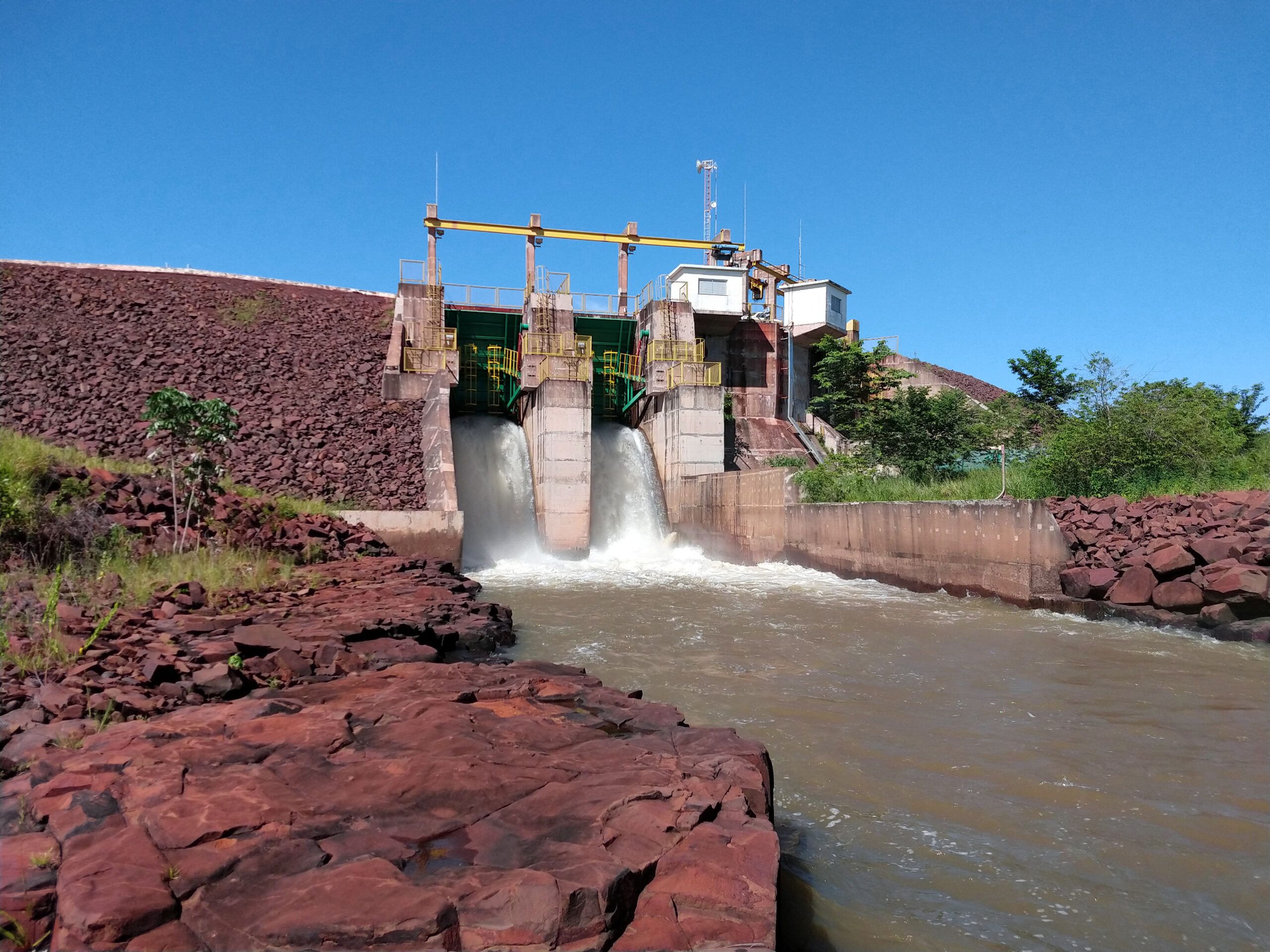
Besides water being the source of life, it is also a precious source of energy – and the hydroelectric power plant is proof of that. Its function is to transform the kinetic energy of currents into electrical energy, being the main source of energy in Brazil.
Currently, according to the Secretariat of Planning and Energy Development of the Ministry of Mines and Energy, Brazil has 83% of its electricity matrix originating from renewable sources.
Among them, hydroelectric power (with 63.8% of production), wind energy (9.3%), biomass and biogas (8.9%), and centralized solar energy (1.4%) stand out.
This protagonist role in energy production has its pros and cons. But before we talk about that, understand more about how a hydroelectric power plant works and discover how to put your energy in the right place with Serena Energia!
What is a hydroelectric power plant?
A hydroelectric power plant, also known as a hydroelectric station, is an industrial facility that uses the force of water to generate electricity. For this reason, it is among the cleanest ways of generating energy in the world, contributing to the reduction of greenhouse gas emissions when compared to thermoelectric plants.
This construction is the result of the combined effort of various areas of human knowledge, resulting in a complex project that can take years to complete. The main ones are:
Civil engineering: responsible for the design and construction of physical structures, such as water reservoirs, dams, tunnels, and pipelines;
Electrical engineering: takes care of energy generation, transmission, and distribution systems. They also develop new techniques and studies to optimize energy conversion efficiency;
Environmental engineering: evaluates and proposes measures to reduce the environmental impact of the construction of hydroelectric plants, in order to protect biodiversity and natural resources;
Mechanical engineering: designs and maintains the mechanical components and turbines that convert water energy into electricity, ensuring the safety and efficiency of the systems;
Hydrology: studies river basins to map water behavior and helps predict the volume of water available to generate energy. They also monitor climate changes that may interfere with the daily operations of the plant;
Geology: evaluates the stability of the region where the plant will be built and determines whether the soil and rocks are viable to support large structures.
These and many other areas, such as economics and law, collaborate so that hydroelectric plants operate efficiently and sustainably.
What is a hydroelectric power plant composed of?
To compose a hydroelectric power plant, several essential parts and structures that work together are necessary. Thus, these mechanisms are responsible for capturing the potential energy of water and transforming it into usable electricity. The plant's structure is basically composed of:
Dam or reservoir
Responsible for storing large volumes of water and regulating the flow. This is done by damming and accumulating water from a river or reservoir, generating a height difference (waterfall) that exerts pressure and moves the turbines when released. There are various types of dams, such as gravity, arch, and earth dams, each suited to different geological conditions.
Water intake and adduction system
Large gates that regulate the amount of water to be directed for generation. This water passes through a pipeline called a penstock or adduction tunnel, reaching the turbines with controlled speed and pressure. The correct sizing of this system is fundamental to maximize energy efficiency.
Powerhouse
It houses the turbine, the generator, and other equipment responsible for converting the kinetic energy of water into electrical energy. It also houses the transformers, which adjust the generated energy for proper transmission to the electrical grid. The powerhouse can be located outdoors or underground, depending on the project.
Spillway
It is a fundamental structure in the plant, as it controls the water level in the reservoir and prevents the dam from overflowing. This mechanism is especially important during periods of heavy rain or when the reservoir's capacity approaches its limit. The spillway acts as a safety valve for the system.
Tailrace (discharge channel)
Structure that returns the water to the riverbed after passing through the turbines. Its design must consider the water's exit velocity to avoid erosion and impacts on the aquatic ecosystem.
Step-up substation
Increases the voltage of the generated energy to levels suitable for long-distance transmission, reducing electrical losses in the process.
Now that you know the component parts of a hydroelectric power plant, it remains to understand how they work together to generate energy continuously and reliably.
How does a hydroelectric power plant work? See the step-by-step!
The most important point about the operation of hydroelectric plants is water pressure. It is this force that turns the turbine to transform gravitational potential energy into kinetic energy, that is, the energy related to the movement of an object.
To better understand how a hydroelectric plant works, let's divide the process into steps.
Step 1: Accumulation of water in the reservoir
First, the dam or reservoir is used to interrupt the normal course of the river and thus form the water reservoir.
In addition to storing water, this reservoir serves to form the necessary drop for water capture in an adequate volume, generating pressure.
Another function of the dam is the regulation of river flow during periods of rain or drought. This process is done through the spillway. In rainy seasons, the spillways are fundamental to prevent floods in the surrounding region of the plant.
Step 2: Releasing and controlling the water flow
When the demand for electricity increases, the water stored in the reservoir is released through a gate. As it descends through the plant's intake and adduction system, it increases the water pressure and also its force.
The water intake and adduction systems are formed by tunnels, channels, or metal conduits that take the water to the powerhouse. Inside it are the spiral case, the turbines, the generator, the excitation system, and the speed governor.
Step 3: Turbines and generators
When water pressure is increased, its force makes the turbines spin at high speed. The turbines are formed by a series of blades or propellers connected to a shaft linked to the generator. There are different types of hydraulic turbines, such as Francis, Kaplan, and Pelton, each suited to different head and flow conditions.
With this rotational movement of the turbines (which can range from 60 to 600 revolutions per minute, depending on the type), the conversion of kinetic energy into electrical energy occurs in the generator through electromagnetic induction. After passing through the turbine, the water is returned to the natural riverbed through the tailrace, maintaining the hydrological cycle.
Step 4: Energy transmission
After the electrical energy is transformed by the generator, it is initially distributed at medium voltage (usually from 13.8 kV to 25 kV). The energy then passes through step-up transformers that increase the voltage to transmission levels (69 kV, 138 kV, 230 kV, 500 kV, or even 765 kV) before following along the transmission lines.
They transport this energy to step-down substations, where the electrical voltage is adjusted to appropriate levels for distribution and consumption. This voltage increase is necessary to minimize energy losses during long-distance transport.
Thus, the energy generated by the hydroelectric plant can finally serve homes, industries, businesses, and other segments of society, traveling thousands of kilometers from its generation to the final consumer.
Step 5: Generation control
Last but not least, the hydroelectric plant features an automated system to adjust the gates, the water flow, and the operation of the turbines and generators. This allows for efficient and safe plant operation, with real-time monitoring of all operational parameters.
In addition, it is possible to avoid waste and preserve water resources, thereby meeting energy demand with precision.
For this reason, the efficiency of a hydroelectric plant increases along with society's technological advancement, incorporating artificial intelligence, Machine Learning (artificial intelligence that allows machine learning for performance and precision improvement), and predictive analysis to optimize generation.
Types of hydroelectric power plants
The energy generation capacity and the structure used to store water are what differentiate one plant from another. There are three main types of plants, according to this classification established by ANEEL (National Electric Energy Agency):
1. Large-Scale Hydroelectric Power Plants (UHE)
They have a large energy generation capacity, generally above 100 MW (megawatts). This type of plant is responsible for the bulk of national hydroelectric energy production, with some exceeding 10,000 MW of installed capacity. UHEs have large reservoirs that allow multi-year flow regulation, ensuring constant generation even during drought periods.
2. Small Hydroelectric Power Plants (PCH)
Despite their smaller capacity for energy production (between 5 MW and 30 MW), they are equally important. This is especially true when it comes to local energy supply and distributed generation. PCHs have a simplified licensing process and lower environmental impact, being a viable alternative for regional energy development.
3. Hydroelectric Generating Stations (CGH)
They are the smallest plants, with a capacity of up to 5 MW. Generally built in regions where large dams cannot be built, they take advantage of the continuous flow of energy that flows naturally from a river or stream, which ends up causing minimal environmental impact. They are also known as run-of-river plants.
Classification by Head Type
Plants can also be classified by the height of the water drop:
High head: above 150 meters, using Pelton-type turbines;
Medium head: between 50 and 150 meters, using Francis turbines;
Low head: below 50 meters, using Kaplan or bulb turbines.
Advantages of the hydroelectric power plant
As one of the most used renewable energy sources in the world, hydroelectric energy brings a diverse set of advantages. Some of them are:
Clean and sustainable energy: just like solar radiation and wind, water is a renewable and inexhaustible resource (as long as it is well managed). Hydroelectric plants generally do not promote the burning of fossil fuels, which contributes to the preservation of the environment;
Low production cost: despite the high initial investment to build the entire plant complex, the value attributed to maintenance and operation is considered low;
Storage capacity: it is possible to balance energy supply both during the day and at night, as the energy accumulated in the reservoirs can be released as needed;
Supply security: hydroelectric plants are known to offer energy in a stable and reliable way, especially large-scale ones. They have a low interruption rate and high operational availability (above 95%).
Multiple uses of the reservoir: in addition to energy generation, reservoirs can be used for flood control, water supply, irrigation, navigation, fish farming, and recreation, generating additional socioeconomic benefits;
Long lifespan: with proper maintenance, hydroelectric plants can operate for over a century, representing a long-term investment for society;
Operational flexibility: the ability to quickly increase or reduce energy generation allows hydroelectric plants to act as regulators of the electrical system, compensating for variations in demand.
The future of hydroelectric energy in Brazil
Brazil has about 260 GW of identified hydroelectric capacity, with only 100 GW explored.
The trend is to build run-of-river plants, which minimize large reservoirs and environmental impacts. Simultaneously, the repowering of existing plants allows for increased generation without new construction, incorporating digitization, artificial intelligence, and predictive maintenance.
In addition to hydroelectric plants, wind and solar sources have been gaining ground and are beginning to play a role as strategic as hydroelectric generation in the Brazilian energy matrix. Therefore, with energy demand projected to double by 2050, transparent and conscious planning of water resources is essential to ensure sustainable development.
Did you like this content? Check out other articles on our blog to stay up to date with the energy market and energize your future with Serena.

Redação Serena Energia
We are part of Serena, one of the country's leading generators and traders of clean energy, with 15 years of experience connecting people and businesses to sustainable and competitive solutions. Here on the blog, you'll find content on the electricity sector, Free Energy Market, sustainability, and energy transition, with clear explanations to support decisions in your daily life, whether at home or in your business.
Editor
Leave a comment
Your email address will not be published. Required fields are marked with *