Energy tariff: what is taken into consideration?
Without it, we can’t see, we can’t work, we can’t buy, we can’t consume, nor communicate, travel, invest… That electricity is fundamental is not new. It is present in companies, in industries, in homes and in the computer used to generate this text you are reading now. But how do we calculate the costs of having electricity at home or in the office? Did you know that the electricity bill does not depend only on the consumer?
Even though individuals and legal entities adopt alternatives to hold down costs, it is still difficult to accurately predict the monthly bill amount. In Brazil, for example, 47% of the amount we pay on the electricity bill refers to charges and taxes. The good news is that there are initiatives to propose new paths related to electricity consumption and, yes, they can make the bill cheaper!
In this post, we will talk a little more about what the energy tariff is and how it is calculated. At the end, you will see some options of renewable energy sources, and the Brazilian scenario.
What is the electricity tariff?
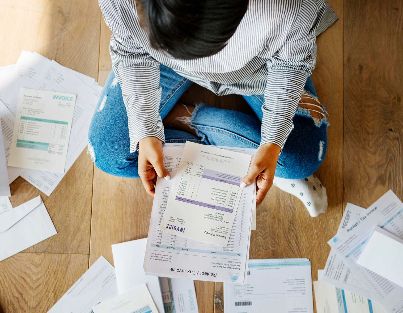
The energy tariff is, in fact, only a part of the electricity bill. This bill then has two major aspects: the tariff and the consumption.
The amount is regulated by the National Electric Energy Agency (ANEEL) and aims to cover the costs to meet the energy usage needs of consumers, which includes the entire process of generation, transmission and distribution of electricity.
In addition, there is a share of taxes, used for state and federal public budgets, and sectoral charges, used to finance public policies, such as support for low‑income consumers and those without access to the national electric system.
This means that you can even invest in strategies to increase energy efficiency and reduce the energy consumption amount on the bill, but still, a slice of the cost – the tariff – is determined by the responsible agencies and there is no control over it!
What composes this tariff?
The energy tariff for Brazilian captive consumers, i.e., individuals and companies that cannot choose from whom to contract electricity, is composed of:
The costs of acquiring energy relate to contracting large quantities of electricity through regulated auctions. The distribution company acquires an amount of energy it deems appropriate to serve its captive market. The energy costs are allocated to the so‑called Energy Tariff (TE) and passed in full to consumers, but without calculating profit margins.
The costs related to the use of the distribution system are embedded in the Distribution System Use Tariff (TUSD), such as, for example, capital expenditures and operation and maintenance costs of the distribution networks.
Various other sectoral charges are also placed in the TUSD, as well as the costs related to the use of the transmission system, which are collected by the Transmission System Use Tariff (TUST).
The costs corresponding to electrical losses are divided into two types: technical losses and non‑technical losses. Technical losses are present in any electricity circuit. Thus, all consumers end up paying for the occasional technical energy losses generated by their consumption. Non‑technical losses, on the other hand, are those arising from theft and measurement problems.
Particularly in Brazil, according to the concession area, non‑technical losses represent a large part of the electricity cost. This is because regularized consumers pay for the irregular consumption of those consumers who act illegally in the connection process with the distributor.
Thus, ANEEL uses regulatory methods to define the maximum level of non‑technical losses that distributors are allowed to pass on to tariffs. In this case, areas with more complex social contexts may pass a larger share of non‑technical losses into the tariff value.
The sectoral charges are contributions established by law that are present in the electricity tariff and are not related to taxes or levies. These contributions are defined by ANEEL and aim to finance the needs of the electric sector. Finally, taxes include federal, state and municipal fees.
How is the electricity bill calculated?
Simply put, we can explain the electricity bill calculation as follows: energy consumption is measured in kilowatt‑hours (kWh), which represents the sum of the power of all equipment, divided by the number of hours they were on per day.
The monthly consumption is multiplied by the current tariff. Then, tax is added.
What are the other most advantageous types of energy?
Turning off lights, promoting awareness campaigns and optimizing the use of some equipment are actions that can even reduce energy consumption, but this is not enough to cause a significant reduction in the bill paid by the company.
There are some paths such as improving energy efficiency and reducing consumption, but these are still limited, especially if we want to develop our energy production or always have access to energy when we need it at home.
Investing in renewable sources with diversified matrices and contracting the service directly from producers are great allies for companies when reviewing solutions to optimize costs and, at the same time, contribute to the environment.
Check out the main renewable energy sources present in Brazil:
Wind energy
Wind energy is one of the renewable energy types that has been growing rapidly around the world.
In this type of generation, wind is used as a driving force to produce electricity from the kinetic energy created by moving air. The kinetic energy, in turn, is converted into electrical energy through wind turbines or wind energy conversion systems.
According to ANEEL, Brazil reached the mark of 789 wind farms in operation in 2021. With this, wind energy positions itself as the second largest source in the country with more than 10% of its generation capacity, behind only hydroelectric plants.
Wind energy is already enough to supply more than 30 million Brazilian households.
Solar energy
Clean and renewable, solar energy is generated by photovoltaic panels exposed to the sun to transform captured radiation into electric current. The greater the solar radiation, the larger the amount of energy produced.
Photovoltaic energy installed in large solar farms enables high efficiency levels and greater reductions in the electricity bill for consumers. The panels capture sunlight and generate energy, which is then sent to the solar inverter. From there, conversion to electrical energy occurs, supplying businesses, industries and rural areas.
PCHS
Small Hydroelectric Plants (PCHs) are small‑scale hydroelectric power plants (between 5 and 30 MW of generation capacity) with low environmental impact.
Because they have smaller reservoirs, PCHs can have lower construction costs, be closer to consumer centers and considerably reduce their environmental impact compared to large hydroelectric plants.
Clean energy
Clean energy is nothing more than the union of all the types of energy we have listed so far. Its main characteristic is precisely being produced sustainably, without polluting the environment or emitting greenhouse gases into the atmosphere.
For companies, investing in clean energy sources brings several benefits. The Free Energy Market allows the procurement of clean and renewable energy, with the advantages of:
possibility to choose suppliers and negotiate directly with them;
estimate costs with greater accuracy, making energy expenses more predictable;
open competitive advantage in the market, since the money saved on the energy tariff can be redirected to other investments;
contracts made tailor‑made for each business with short, medium or long term duration.
Today, for companies to be able to contract the Free Energy Market, they need to consume, on average, at least R$ 50 thousand in electricity per month.
By finding the best alternative for your company's reality, it will be easier to propose budget improvements — in addition to fulfilling your share of environmental responsibility, since renewable sources impact nature less.
How can Serena help you save on your electricity bill?
With over 15 years in the market, Serena is a pioneer in wind, solar and digital energy, offering customized solutions for consumers seeking clean and affordable energy.
Being able to provide up to 30% discount on the electricity bill, the contract can be made digitally or with a team of specialists, without bureaucracy and with the choice of the ideal plan for you.

Redação Serena Energia
We are part of Serena, one of the country's leading generators and traders of clean energy, with 15 years of experience connecting people and businesses to sustainable and competitive solutions. Here on the blog, you'll find content on the electricity sector, Free Energy Market, sustainability, and energy transition, with clear explanations to support decisions in your daily life, whether at home or in your business.
Editor
Leave a comment
Your email address will not be published. Required fields are marked with *